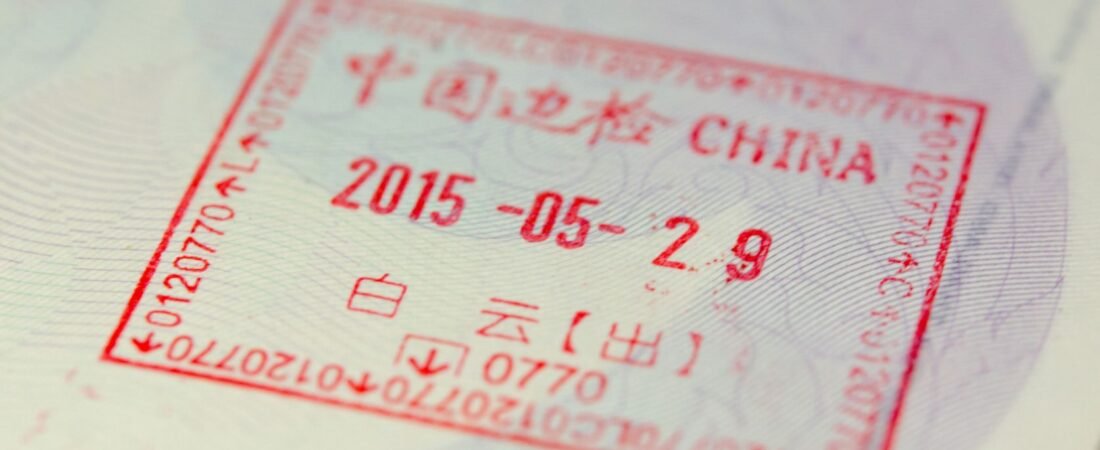
International travel allows people to visit new countries for holidays, business meetings, education, family visits, and work. However, before traveling abroad, many people need to obtain permission to enter their destination. This permission may require a visa, an electronic travel authorization, or another approved travel document.
The process of getting a visa depends on your nationality, destination country, purpose of travel, and planned length of stay. Some countries allow eligible passport holders to enter without a visa for short visits. Others require travelers to apply before departure and provide documents such as a valid passport, proof of funds, accommodation details, and a return ticket.
Understanding the visa application process can help you prepare the correct documents, avoid common mistakes, and plan your trip more effectively. This guide explains how to get a visa for international travel, the documents you may need, application costs, processing times, and the steps to take before departure.
What Is a Visa for International Travel?
A visa is an official authorization issued under a country’s immigration system. It allows an eligible foreign national to request entry or stay for a specific purpose, subject to the conditions of the visa.
Depending on the country, a visa may be issued as a passport sticker, an electronic visa (eVisa), or another approved document. Some countries also use electronic travel authorizations for eligible visitors who do not need a traditional visa.
A visa may be required for tourism, business, education, employment, medical treatment, or family visits. Each category has its own eligibility rules and permitted activities.
For example, a tourist visa generally allows approved leisure activities, while a student visa permits eligible educational activities. A work visa may require an approved job offer or employer sponsorship.
A visa does not always guarantee entry. Border officials may check your passport, travel purpose, accommodation, financial resources, and other entry requirements when you arrive.
Do You Need a Visa for International Travel?
Whether you need a visa depends mainly on your nationality and destination. The same country may have different entry rules for citizens of different countries.
Some travelers qualify for visa-free entry for a limited period. Others may need to apply for a traditional visa or obtain an electronic travel authorization before departure. Transit passengers may also face separate requirements when changing flights in another country.
Before booking your trip, check the official immigration website or embassy of your destination. Confirm whether you need a visa, how long you may stay, and whether you must obtain permission before boarding your flight.
For example, eligible travelers can visit certain Schengen countries for short stays under the applicable visa-free rules. Travelers who do not qualify for visa-free entry may need a Schengen visa, which generally allows stays of up to 90 days within any 180-day period.
Do not assume that a visa issued by one country allows entry to another. Some visas cover a group of participating countries, while others apply only to the issuing country.
Step 1: Choose the Correct Visa Type
The first step is to identify the visa category that matches your reason for traveling. Selecting the wrong category can lead to delays or refusal.
A tourist visa is generally used for holidays, sightseeing, and other permitted leisure activities. A business visa may cover approved meetings, trade events, and contract discussions. A student visa is designed for eligible educational programs, while a work visa allows employment under specific conditions.
Other categories include transit visas, medical visas, family visas, exchange visitor visas, and immigrant visas.
Before applying, check the activities permitted under your intended category. For example, a tourist visa usually does not allow regular employment. If you plan to study for an extended period, a student visa or study permit may be necessary.
The visa category also affects the documents you must provide. A student may need an admission letter, while a business traveler may need an invitation from a company.
Step 2: Check the Visa Requirements for Your Destination
Once you identify the correct category, review the destination country’s official requirements. These rules may include passport validity, financial evidence, accommodation details, health insurance, travel history, and supporting documents.
Some countries require applicants to demonstrate that they can pay for their trip. Others may request proof of employment, business activity, family relationships, or enrollment at an educational institution.
Applicants may also need to explain the purpose of travel and show that they meet the conditions of the visa category.
The requirements can change over time. Application fees, financial thresholds, appointment procedures, and processing times may be updated by immigration authorities.
Use official government websites instead of relying only on travel blogs or social media posts. If you are unsure about a requirement, contact the relevant embassy or consulate before submitting your application.
Step 3: Prepare the Required Visa Documents
Most visa applications require a valid passport and a completed application form. However, the full document list depends on the country, visa category, and applicant’s circumstances.
Valid Passport
Your passport must meet the destination country’s validity rules. Some countries require it to remain valid for a specific period beyond your planned departure or arrival date.
Check that your personal details are correct and that the passport has the required blank pages, if applicable. If your passport is close to expiry, confirm whether you should renew it before applying.
Visa Application Form and Photograph
Many countries require an online or paper application form. Applicants must provide accurate personal information, travel dates, passport details, and the purpose of the visit.
Some applications also require a recent photograph that meets specific size, background, and image-quality rules.
Review the form carefully before submission. Even small errors in passport numbers, dates, or names can cause problems.
Proof of Financial Support
Some countries require evidence that you can pay for accommodation, meals, transportation, and other travel costs.
Acceptable evidence may include bank statements, salary records, sponsorship letters, scholarship documents, or other financial records allowed by the destination country.
If another person is paying for your trip, you may need a sponsorship letter and evidence of that person’s financial ability. The exact rules depend on the visa category.
Travel Itinerary and Accommodation
Applicants may need to provide planned travel dates, flight details, hotel bookings, or an invitation from a host.
Some countries request evidence of onward or return travel. Others assess the travel plan as part of the application without requiring a confirmed ticket.
Check the official instructions before making nonrefundable bookings. Do not submit false reservations or inaccurate travel information.
Supporting Documents
Additional documents depend on the purpose of travel. A tourist may need evidence of employment or approved leave. A student may need an admission letter. A business traveler may need an invitation letter, while a family visitor may need proof of the relationship.
Some applications also require travel insurance, medical records, police certificates, or proof of legal residence in the country where the application is submitted.
Documents that are not in the accepted language may require certified translations. Make sure each document is genuine, clear, and consistent with the information on your application form.
Step 4: Complete the Visa Application
Many countries allow applicants to submit visa applications online. Others require paper forms or applications through an embassy, consulate, or authorized visa application center.
Use the official application system specified by the destination country. Enter your details accurately and upload documents in the requested format.
Before submitting, check that all required fields are complete and that the documents are readable. Review the application for mistakes in names, dates, passport details, and travel plans.
Some countries require applicants to create an account, pay a fee, and schedule an appointment after completing the online form. Others may allow the entire process to be completed electronically.
Save your application reference number, confirmation email, and payment receipt. These records may be needed to track the application or attend an appointment.
Step 5: Pay the Visa Application Fee
Visa application fees vary by destination, visa category, nationality, and length of stay. Some applications also involve additional charges for biometrics, document handling, courier services, or other required steps.
The fee may be nonrefundable, even if the application is refused. Applicants should confirm the current fee and payment method before submitting the form.
Use an authorized payment channel. Be cautious of people or websites that promise guaranteed visa approval in exchange for extra money.
In addition to the application fee, budget for travel insurance, document translation, transportation to an appointment, and other possible expenses.
Step 6: Attend a Visa Interview or Biometrics Appointment
Some visa categories require an in-person appointment. During this appointment, applicants may need to provide fingerprints, a photograph, original documents, or answers to questions about their travel plans.
An interview may cover the purpose of the visit, planned activities, employment, financial resources, family ties, or previous international travel. The questions depend on the visa category and destination.
Bring the documents listed in the appointment instructions. Answer questions honestly and make sure your responses match the information in your application.
Not every applicant needs an interview. Some countries process certain applications online or request biometrics only when required.
Step 7: Track Your Visa Application
After submitting the application, use the official tracking service if one is available. Some authorities provide updates through an online account or email.
Processing times depend on the destination, visa category, application volume, season, and individual circumstances. A straightforward application may take less time than one requiring extra checks or supporting evidence.
Authorities may ask for additional documents during processing. Respond within the stated deadline and follow the instructions provided.
Avoid making nonrefundable travel plans until you understand the likely processing time and the risks involved. A published processing estimate is not a guarantee of approval or a specific decision date.
Step 8: Receive Your Visa and Check the Conditions
If your application is approved, review the visa carefully. Check your name, passport number, validity dates, permitted length of stay, and number of entries.
A visa’s validity period is not always the same as the maximum permitted stay. For example, a multiple-entry visa may remain valid for several years while allowing only a limited number of days per visit.
Check whether the visa permits your intended activities. Some visas restrict employment, study, or changes in travel plans.
If you notice an error, contact the issuing authority before traveling. Do not assume that a visa with incorrect details will be accepted at the border.
How to Apply for a Visa From Bangladesh
Bangladeshi travelers must follow the entry requirements of their destination country. The process may involve an embassy, consulate, official online application system, or authorized visa application center.
Start by checking whether your Bangladeshi passport requires a visa for the destination. Confirm the correct category, required documents, fee, and application location.
For example, a Bangladeshi citizen planning a short visit to the United Kingdom generally needs to check the UK Standard Visitor visa requirements. A person planning to study in Canada must review the applicable study permit rules and any related entry document requirements. The process for traveling to the United States depends on the purpose of travel and the relevant visa category.
Applicants should prepare accurate financial records, employment or business documents where relevant, travel plans, and any required invitation letters. They should also confirm whether an appointment, interview, or biometric collection is necessary.
Use the destination country’s official immigration website or the relevant embassy’s instructions. Visa rules depend on nationality and can change, so verify the latest requirements before paying fees or booking travel.
How Long Does It Take to Get a Visa?
Visa processing times vary by country and application type. Some electronic visas may be processed relatively quickly, while embassy-based applications can take several weeks or longer.
Applications may take more time when documents are incomplete, an interview is required, financial records need further review, or the authority conducts additional checks.
Apply as early as the destination country’s rules allow. Consider your planned departure date, appointment availability, passport validity, and any deadlines related to work, study, or family travel.
Check official processing estimates before applying. If you have already submitted an application, use the authorized tracking system rather than relying on unofficial claims about decision dates.
Common Visa Application Mistakes to Avoid
A visa application can be delayed or refused when the applicant fails to meet the requirements or provides incomplete information.
One common mistake is submitting an expired passport or documents that do not meet the required standards. Another is providing financial evidence that does not support the stated travel budget.
Applicants should also avoid giving inconsistent answers about their travel plans, employment, or accommodation. The information in the application should match the supporting documents.
Submitting false bank statements, fake invitation letters, or altered certificates can lead to serious immigration consequences. Applicants should never use fabricated documents to improve their chances of approval.
Another mistake is applying under the wrong visa category. A visitor visa may not permit employment, and a short-stay visa may not be suitable for a long-term course.
Finally, check the official rules before submitting your application. Requirements from an old online article may no longer be accurate.
What Happens if Your Visa Application Is Rejected?
A visa refusal means the authority has not approved the application. The refusal notice usually explains the main reasons for the decision, although the level of detail varies by country.
Common reasons include insufficient financial evidence, missing documents, unclear travel purposes, failure to meet eligibility rules, or concerns about the accuracy of the information provided.
Read the refusal notice carefully before taking further action. Depending on the destination, you may be able to submit a new application, provide additional evidence, request a review, or appeal.
There is no guarantee that a new application will be approved. Applicants should address the reasons for refusal and make sure they meet the current requirements before applying again.
Keep copies of the refusal notice and supporting documents. If the case involves complex immigration rules, consider seeking advice from a qualified immigration professional authorized to provide services in the relevant country.
Frequently Asked Questions About International Travel Visas
How do I get a visa for international travel?
First, check whether your nationality requires a visa for your destination. Select the correct visa category, review the official requirements, prepare your passport and supporting documents, submit the application, pay the fee, and complete any required interview or biometrics appointment. Wait for the official decision before relying on the visa for travel.
What documents are needed to apply for a visa?
Common documents include a valid passport, application form, photograph when required, proof of funds, and travel details. Depending on the purpose of travel, you may also need an invitation letter, employment records, university admission documents, accommodation evidence, or travel insurance.
Can I apply for a visa online?
Yes. Many countries offer online applications or electronic visas. Other countries require an embassy appointment, an interview, biometrics, or the submission of original documents. Use the official government website to confirm the correct procedure.
How much does an international travel visa cost?
The cost depends on the destination, visa category, nationality, and application process. Additional charges may apply for biometrics, document translation, or application services. Check the official immigration website for current fees before submitting an application.
How many days does it take to get a visa?
Processing times vary. Some applications are processed in days, while others take weeks or months. The time depends on the country, visa category, application volume, and whether additional checks are needed. Official processing estimates provide guidance but do not guarantee a decision date.
Can I travel without a visa?
Some nationalities can enter certain countries without a traditional visa for specific purposes and limited periods. However, visa-free travelers may still need an electronic travel authorization or must meet other entry conditions. Always confirm the rules for your passport and destination.
Does a visa guarantee entry into a country?
No. A visa generally allows an eligible traveler to request entry, but border officials may still check the purpose of travel, passport, supporting documents, and compliance with entry rules. Entry is subject to the destination country’s laws.
Can I use a tourist visa to work abroad?
In most countries, a tourist visa does not permit regular employment. Business visitor rules may allow certain limited activities, but they do not normally provide unrestricted work rights. Obtain the correct work authorization before starting employment.
What is the difference between a visa and an eVisa?
A traditional visa may be issued as a label or stamp in a passport. An eVisa is an electronic visa issued through an online system. Both are subject to the issuing country’s rules, and an eVisa may still require travelers to present their passport and approval details at check-in or arrival.
Where can I check official visa requirements?
Check the official immigration website, embassy, or consulate of your destination country. For Schengen travel, consult the European Commission’s official visa information. For the United States, use the U.S. Department of State website. For the United Kingdom, use GOV.UK. For Canada and Australia, consult their respective national immigration departments.
Conclusion
Getting a visa for international travel involves choosing the correct category, checking eligibility, preparing documents, submitting an application, and meeting any additional requirements. The exact process depends on your nationality, destination, travel purpose, and planned length of stay.
Start by checking the official immigration rules before booking your trip. Prepare accurate documents, confirm the current application fee, and allow enough time for processing. Review the visa conditions carefully after approval, including the permitted stay and any restrictions on work or study.
A well-prepared application can reduce avoidable errors and help you plan your journey with greater confidence. Always use official government sources for the latest visa requirements and entry rules.